
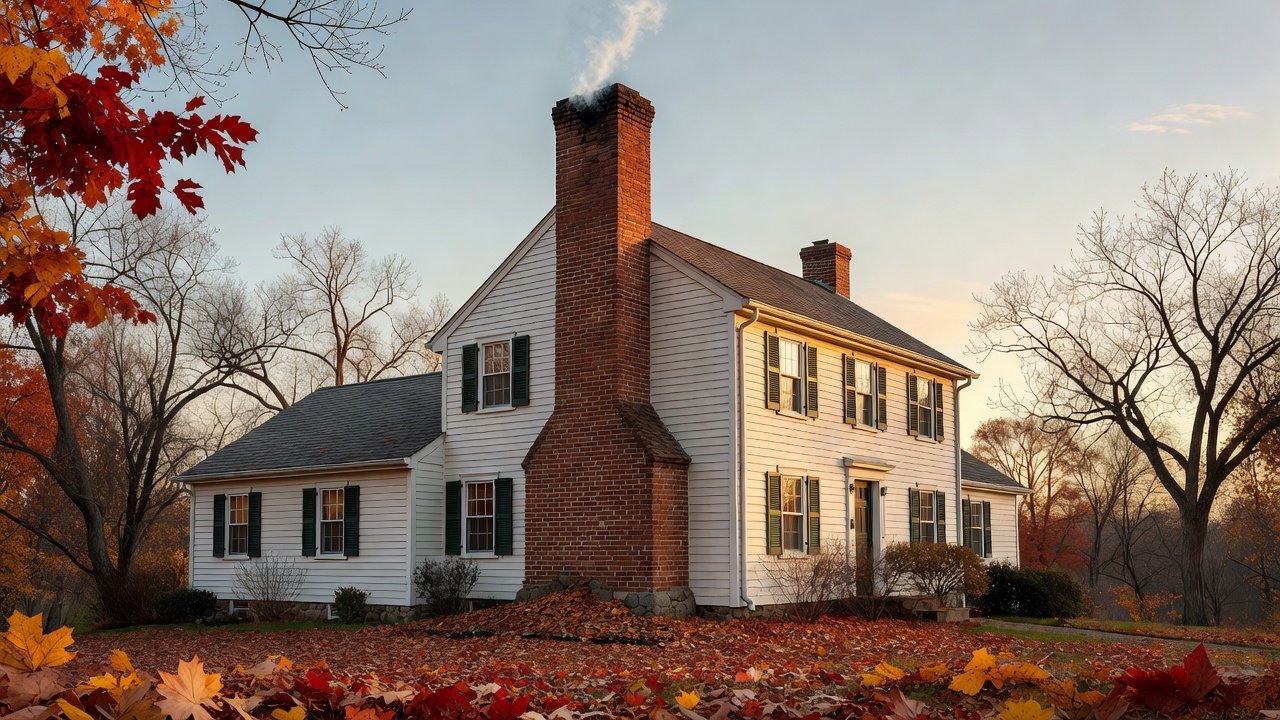
What Your Chimney Is Trying to Tell You Before Winter Hits Morris County
Many homeowners in Chatham schedule a chimney inspection only after they notice a problem, such as smoke backing into the home or visible masonry damage. However, waiting until symptoms appear can allow minor issues to become more extensive and costly to repair.
An annual chimney inspection helps identify developing problems before the heating season begins, giving homeowners time to make informed decisions about maintenance and repairs.
Why Scheduling Before Winter Matters
The National Fire Protection Association recommends that chimneys, fireplaces, vents, and solid fuel-burning appliances be inspected at least once each year, regardless of how often they are used.
In northern New Jersey, scheduling an inspection during early fall offers several advantages. As colder weather approaches, demand for chimney services throughout Morris County typically increases, making appointments and repair scheduling more limited.
Many masonry repairs, including chimney crown restoration and tuckpointing, are also best completed under appropriate weather conditions. Identifying problems before winter can help prevent moisture from causing additional damage during freeze-thaw cycles.
Six Common Problems Found During Annual Chimney Inspections
Heavy Creosote Buildup
Creosote is a natural byproduct of burning wood. As it accumulates inside the flue, it can become increasingly difficult to remove.
The Chimney Safety Institute of America explains that heavier glazed creosote deposits often require specialized removal techniques beyond standard chimney brushing.
A professional inspection can determine the amount of creosote present and recommend the appropriate cleaning method. Burning properly seasoned firewood and maintaining adequate airflow may help reduce future buildup.
Cracked or Damaged Flue Tiles
Many masonry chimneys in Chatham and surrounding communities use clay tile flue liners.
Over time, normal heating and cooling cycles, along with seasonal weather changes, may contribute to cracking or deterioration. Damaged flue liners can reduce the chimney’s ability to safely contain heat and combustion gases.
A camera inspection may be recommended when liner damage is suspected. Depending on the condition of the chimney, repairs may involve resurfacing or installing a new chimney liner.
Damaged Chimney Crown
The chimney crown protects the top of the chimney by directing water away from the masonry.
Cracks in the crown may allow moisture to enter the chimney structure, which can contribute to additional deterioration over time.
Minor defects can sometimes be repaired with specialized waterproof coatings, while more significant damage may require rebuilding the crown.
Deteriorated Chimney Flashing
Flashing seals the area where the chimney meets the roof.
If flashing becomes loose, rusted, or damaged, water may enter the home around the chimney, potentially affecting roofing materials, insulation, or nearby framing.
During an inspection, technicians evaluate both the base flashing and counter-flashing to determine whether repairs or replacement are needed.
Worn Mortar Joints and Spalling Brick
Mortar naturally weathers over time, especially on older masonry chimneys.
As mortar deteriorates, water can penetrate deeper into the chimney, contributing to brick damage and additional masonry deterioration.
An inspection helps determine whether repointing (tuckpointing) is sufficient or whether more extensive structural repairs should be considered.
Missing or Damaged Chimney Cap
A properly installed chimney cap helps prevent rain, debris, and animals from entering the chimney.
Missing or damaged caps are among the most frequently observed chimney maintenance issues. Replacing a damaged cap can help reduce moisture intrusion and minimize the likelihood of animal nests or blockages developing inside the flue.
What to Expect During a Professional Chimney Inspection
A Level 1 chimney inspection generally includes an examination of readily accessible components, including the firebox, damper, smoke chamber, chimney cap, crown, and visible exterior masonry.
A Level 2 inspection includes all Level 1 procedures plus a video scan of the flue. This level of inspection is commonly recommended after a property changes ownership, following certain chimney events, or when modifications have been made to the heating system.
Your chimney professional can explain which inspection level is appropriate based on your home’s circumstances and current chimney condition.
Schedule Your Chimney Inspection Before Peak Season
If you live in Chatham, Madison, Summit, Florham Park, or elsewhere in Morris County, scheduling your chimney inspection before the heating season can provide more appointment flexibility and additional time to complete any recommended repairs.
At Chimney Morris County, our experienced technicians perform thorough chimney inspections in accordance with recognized industry standards. We carefully explain our findings, answer your questions, and recommend repairs only when they are needed.
Contact us online to schedule your free chimney inspection. Finding a problem now costs nothing. Waiting to find out costs considerably more.
Our services
Trusted Chimney Services in Livingston, NJ · Professional Chimney Services in Whippany, NJ · Chimney Services in Long Hill Township, NJ · Chimney Services in Parsippany, NJ · Chimney Services in Hanover, NJ · Chimney Services in Chester Township, NJ
Areas we serve
Chatham, NJ · Chatham, NJ · Chatham, NJ · Chatham, NJ · All areas →