
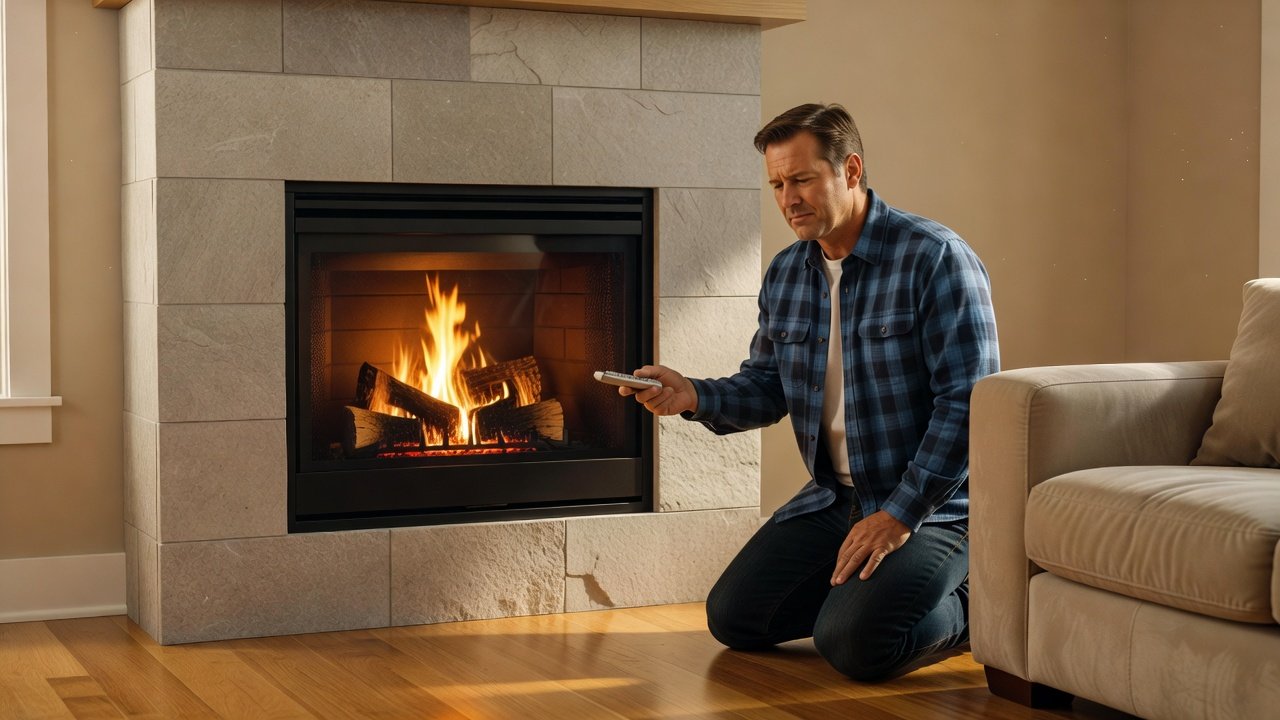
Gas Fireplace Problems Summit Chatham NJ: What Homeowners Should Know
A gas fireplace can appear to be working normally while still needing attention. A pilot that repeatedly goes out, unusual flame behavior, persistent odors, or a fireplace that suddenly stops responding to its controls can all have different causes.
Gas fireplace service in Summit, Chatham, and nearby Morris County communities should account for the appliance manufacturer’s instructions, the venting system, and applicable New Jersey requirements. New Jersey currently uses the 2024 International Fuel Gas Code as its fuel gas subcode, effective August 17, 2026.
Here are several common gas fireplace problems and what homeowners should know about them.
The Pilot Light Will Not Stay Lit
If a pilot lights but goes out when the control is released, several components could be responsible.
Many gas fireplaces use a thermocouple or similar safety device associated with the pilot assembly. Its purpose is to help confirm that the pilot flame is present so the gas valve can operate as designed.
A weak or improperly positioned pilot flame, a dirty component, damaged wiring, or a problem with the gas valve can all contribute to a pilot that will not remain lit.
The correct diagnosis depends on the specific fireplace. A qualified technician can test the relevant components rather than replacing parts based only on the symptom.
Because gas appliances contain combustion and fuel-delivery components, homeowners should follow the manufacturer’s instructions and avoid bypassing safety controls.
Yellow or Orange Flames
Flame appearance can provide useful information, but color alone does not establish a specific fault.
If a fireplace develops unusual flames, excessive soot, or deposits on the glass or logs, the appliance should be evaluated. Possible causes can include burner condition, venting, air supply, appliance setup, or components that are not positioned according to the manufacturer’s instructions.
The appliance rating plate and installation instructions are important when evaluating burner and orifice specifications. A technician may also inspect the vent termination and accessible venting components for obstructions.
Carbon monoxide is a combustion byproduct, so unusual combustion behavior should not simply be treated as a cosmetic issue.
If a carbon monoxide alarm sounds, leave the building and contact the appropriate emergency or utility service according to local procedures. Do not continue operating an appliance that has been identified as unsafe until it has been evaluated.
The Remote or Wall Switch Does Nothing
A gas fireplace that does not respond to a remote or wall switch can have several possible causes.
Simple issues include depleted batteries or a problem with the remote. Depending on the fireplace design, other possibilities can involve the receiver, wiring, control module, thermopile, or gas valve.
The exact electrical specifications vary by appliance and control system. For that reason, fixed voltage thresholds should not be applied to every fireplace.
A technician can use the manufacturer’s service procedure to determine whether the problem is with the control system, wiring, power source, or another component.
Homeowners should not bypass safety controls or modify the appliance wiring to make the fireplace operate.
The Glass Is Cloudy or Developing Deposits
Gas fireplace glass can develop deposits for several reasons. A light film during normal operation is different from persistent white, gray, or dark deposits that continue to build.
The type and location of the deposit can help a technician determine what needs to be investigated. Possible factors include combustion, burner operation, log or media placement, and the condition of the appliance.
The glass should be cleaned only according to the fireplace manufacturer’s instructions. The wrong cleaner or cleaning method can damage the glass or its coating.
If the glass is cracked, damaged, or otherwise compromised, the fireplace should not be operated until the condition has been evaluated.
Manufacturer-approved replacement glass and decorative media should be used when replacement is necessary.
Drafting Problems and Odors on Startup
An unusual odor from a gas fireplace deserves attention because the source matters.
Some fireplaces can produce temporary odors during startup as components heat up. However, homeowners should not rely on a fixed time such as 30 or 60 seconds to determine whether an odor is safe.
If you smell gas, follow the manufacturer’s instructions and local gas-safety guidance. Do not operate switches or other electrical equipment if you suspect a gas leak. Leave the area if necessary and contact the gas utility or emergency services from a safe location.
A persistent combustion odor or unusual performance can also indicate a problem involving the appliance, venting system, combustion air, or another component.
Gas vents and appliance installations must follow the manufacturer’s instructions. NFPA 54 materials likewise emphasize using the manufacturer’s installation instructions when evaluating gas vent installations.
Vent Obstructions Can Affect Fireplace Operation
A fireplace vent termination can become obstructed by debris, vegetation, snow, or animal activity.
CSIA specifically warns that gas appliances and their chimneys or venting systems still need attention. Its homeowner guidance notes that bird nests and other debris can block a chimney, while modern appliances can also have venting issues when connected to systems not suited to the appliance.
A blocked or improperly configured vent can affect how an appliance operates. The appropriate inspection should depend on the fireplace design and the manufacturer’s requirements.
Homeowners should not modify or extend a gas vent termination without determining what the appliance manufacturer and applicable code require.
Skipping Service Because the Fireplace “Seems Fine”
A fireplace does not necessarily provide obvious warning signs when something needs attention.
CSIA recommends annual inspection of chimneys and vented appliances. Its homeowner resources specifically advise that all chimneys and vented appliances be inspected every year by a qualified professional, with maintenance performed when needed.
An inspection can identify conditions involving the venting system, appliance components, deposits, obstructions, or other installation issues.
That does not mean every fireplace requires the same cleaning procedure or the same repair schedule. The appliance type, manufacturer’s instructions, operating history, and inspection findings all matter.
What a Proper Gas Fireplace Service Should Include
The exact service depends on the fireplace, but a professional evaluation may include reviewing the appliance identification and installation instructions, examining accessible components, checking the venting system, evaluating the burner and pilot assembly, and looking for signs of abnormal combustion or deposits.
The technician should explain what was found and distinguish routine maintenance from repairs that are actually necessary.
If a component needs replacement, the replacement should be compatible with the specific appliance. Gas fireplace parts are not universally interchangeable.
For homeowners in Summit, Chatham, Madison, and surrounding Morris County communities, keeping the manufacturer’s documentation available can make diagnosis easier when service is needed.
When to Stop Using the Fireplace
Certain symptoms deserve immediate attention.
Stop using the fireplace and seek professional evaluation if you notice persistent gas odor, unusual soot, damaged glass, repeated pilot failure, unexplained changes in flame behavior, suspected vent obstruction, or a carbon monoxide alarm.
Do not bypass a safety device to keep the fireplace operating.
For suspected gas leaks or carbon monoxide emergencies, follow your local utility and emergency instructions rather than attempting to diagnose the problem yourself.
Choosing a Gas Fireplace Professional in Summit or Chatham
When hiring someone to service a gas fireplace, ask whether the technician has experience with your specific appliance type and whether the company follows manufacturer requirements.
You can also ask what was inspected, what problems were found, and which recommendations are required versus optional maintenance.
A good service visit should leave you with a clearer understanding of how your fireplace is operating and whether anything needs to be repaired.
Gas fireplaces are designed to be convenient, but they still require proper inspection and maintenance. If something about the pilot, flame, controls, glass, odor, or venting has changed, getting the appliance evaluated is safer than assuming the problem will correct itself.
Related from Chimney in Chatham NJ: Chimney Sweep in Chatham, NJ — Local Cleaning, Inspection & Safety · Fireplace Cleaning in Chatham, NJ — Before You Light That First Fall F
Our services
Trusted Chimney Services in Livingston, NJ · Professional Chimney Services in Whippany, NJ · Chimney Services in Harding Township, NJ · Chimney Services in Long Hill Township, NJ · Chimney Services in Morris Plains, NJ · Chimney Services in Parsippany, NJ
Areas we serve
Chatham, NJ · Chatham, NJ · Chatham, NJ · Chatham, NJ · All areas →