
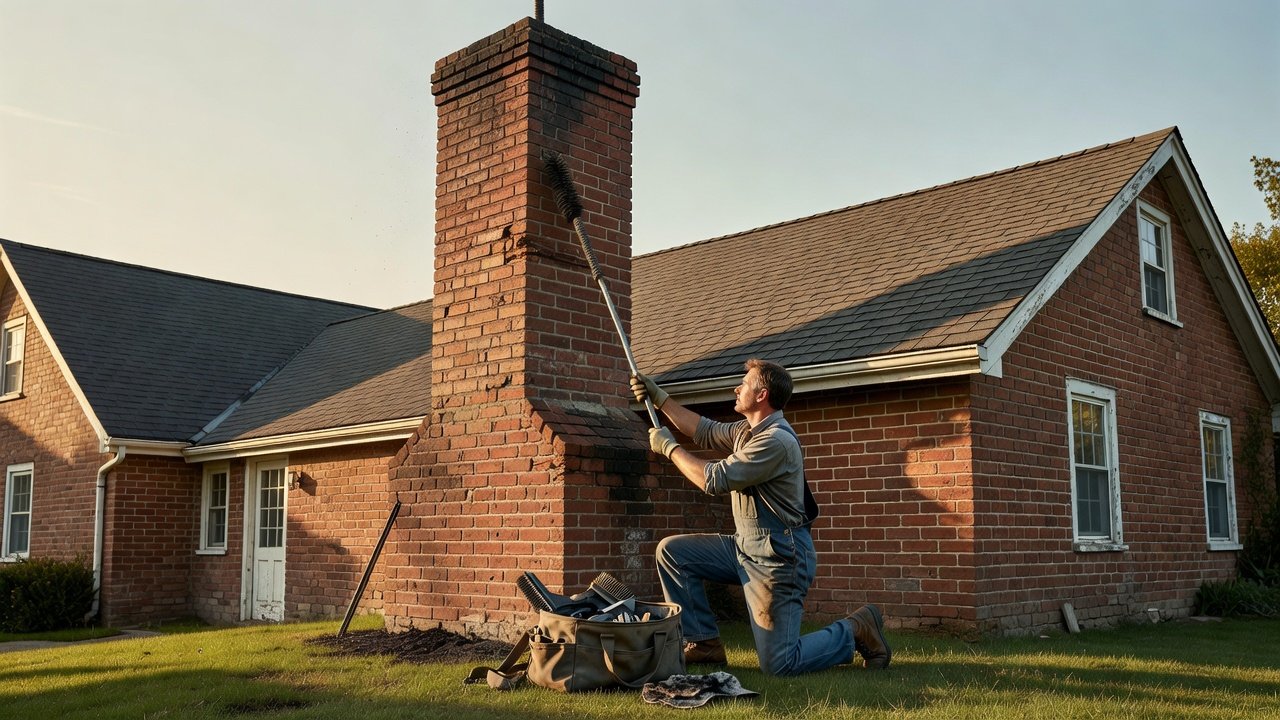
What Most Chatham Homeowners Get Wrong About Chimney Cleaning Costs
Plenty of homeowners in Chatham, NJ contact us after putting off chimney cleaning for a year or two, sometimes longer. The reason they waited usually comes down to the same assumptions that it costs more than it actually does, that it’s optional if the fireplace “seems fine,” or that any chimney sweep can do the job properly. Most of those assumptions turn out to be wrong, and some can create unnecessary safety risks.
Here’s what we commonly see in the field and what homeowners should understand before scheduling service or deciding to put it off.
It’s Just a Dirty Chimney. How Expensive Could It Be?
One of the most common misconceptions is that chimney cleaning is an expensive service. In reality, a standard Level 1 chimney inspection and cleaning in Chatham typically costs approximately $175 to $300 for a single fireplace. That range applies to many homes throughout Morris County, whether you own a Colonial near Southern Boulevard or a newer home closer to the Fairmount Avenue corridor.
Where costs increase is when chimney maintenance is delayed. Creosote, the tar-like byproduct of burning wood, accumulates in stages. NFPA 211, the national standard for chimney inspection and cleaning, classifies creosote buildup by degree. First-degree deposits generally brush out during routine cleaning. Second-degree glazed creosote often requires chemical treatment in addition to mechanical cleaning, increasing the cost. Third-degree buildup may require partial chimney liner replacement, which can cost approximately $1,500 to $2,500 or more, depending on the condition of the flue and the repairs required.
So, when one homeowner pays around $200 while another faces a much larger repair bill, the difference often comes down to regular maintenance versus several years of deferred cleaning.
Pricing Disclaimer: Prices are approximate and may vary depending on the chimney’s condition, accessibility, repair requirements, and local service rates.
Annual Cleaning Is Only for Heavy Users
This misconception comes up frequently, especially among homeowners who use a gas fireplace or burn only a handful of fires each season. The logic seems reasonable: less use should mean less maintenance.
The Chimney Safety Institute of America (CSIA) recommends annual chimney inspections regardless of fuel type or how frequently the fireplace is used.
Even gas appliances can develop problems unrelated to creosote, including debris, nesting materials, moisture intrusion, and deteriorating masonry. These issues are rarely visible from inside the home.
In Chatham and surrounding communities, leaves, twigs, and bird nests commonly find their way into uncapped chimneys each spring. A partially blocked flue may prevent combustion gases, including carbon monoxide, from venting properly, increasing the risk of indoor exposure.
A CSIA-certified chimney sweep can determine whether your chimney needs a full cleaning or simply an inspection based on its condition.
All Chimney Sweeps Charge About the Same
There is a genuine range in pricing throughout the industry, and unusually low prices do not always represent the best value.
Some homeowners report hiring heavily discounted chimney cleaning services only to discover incomplete inspections, unnecessary repair recommendations, or unexpected additional charges after the technician arrives.
CSIA certification requires chimney sweeps to complete industry-recognized training, pass examinations, participate in continuing education, and maintain professional standards. National Fireplace Institute (NFI) certification provides additional expertise for technicians working with gas appliances.
When comparing estimates, ask whether the technician holds current CSIA certification. While certification alone does not guarantee workmanship, it demonstrates that the technician has met recognized industry education and certification standards.
A professional chimney cleaning should also include a Level 1 visual inspection in accordance with NFPA 211. If an estimate does not mention an inspection, ask what is included before scheduling service.
You’d Know If There Was a Problem
Many homeowners believe their fireplace is operating normally even when hidden problems exist inside the chimney system.
Cracked flue liners, deteriorating masonry, and glazed creosote often develop without obvious warning signs.
Creosote fires may exceed 2,000°F, potentially damaging chimney liners and surrounding materials. Heating equipment, including fireplaces and chimneys, contributes to residential structure fires each year.
Similarly, damaged mortar joints, deteriorating flue tiles, or partial blockages may increase the risk of combustion gases, including carbon monoxide, entering the home.
Routine inspections, including camera evaluations when appropriate, can help identify these issues before they become more serious or expensive to repair.
Spring Cleaning Is the Wrong Time
Many homeowners wait until fall to schedule chimney cleaning before fireplace season begins. While that timing works, it is also when many chimney service providers experience their highest demand.
Scheduling service during the spring allows homeowners to remove winter creosote buildup while avoiding the seasonal rush.
Spring inspections also provide an opportunity to identify masonry damage caused by winter freeze-thaw cycles before seasonal debris and bird nesting activity become more common.
Scheduling Doesn’t Have to Be Complicated
If it has been more than a year since your last chimney inspection or cleaning or you cannot remember when it was last serviced now is an excellent time to schedule an appointment.
Routine chimney maintenance helps improve fireplace performance, supports safe operation, and can identify small issues before they become costly repairs.
Apex Air Duct Cleaning & Chimney Services proudly serves homeowners throughout Chatham, Morris County, Madison, Summit, and the surrounding communities.
Schedule your chimney inspection or cleaning today and let one of our certified professionals provide an honest assessment of your chimney’s condition and recommend only the services you actually need.