
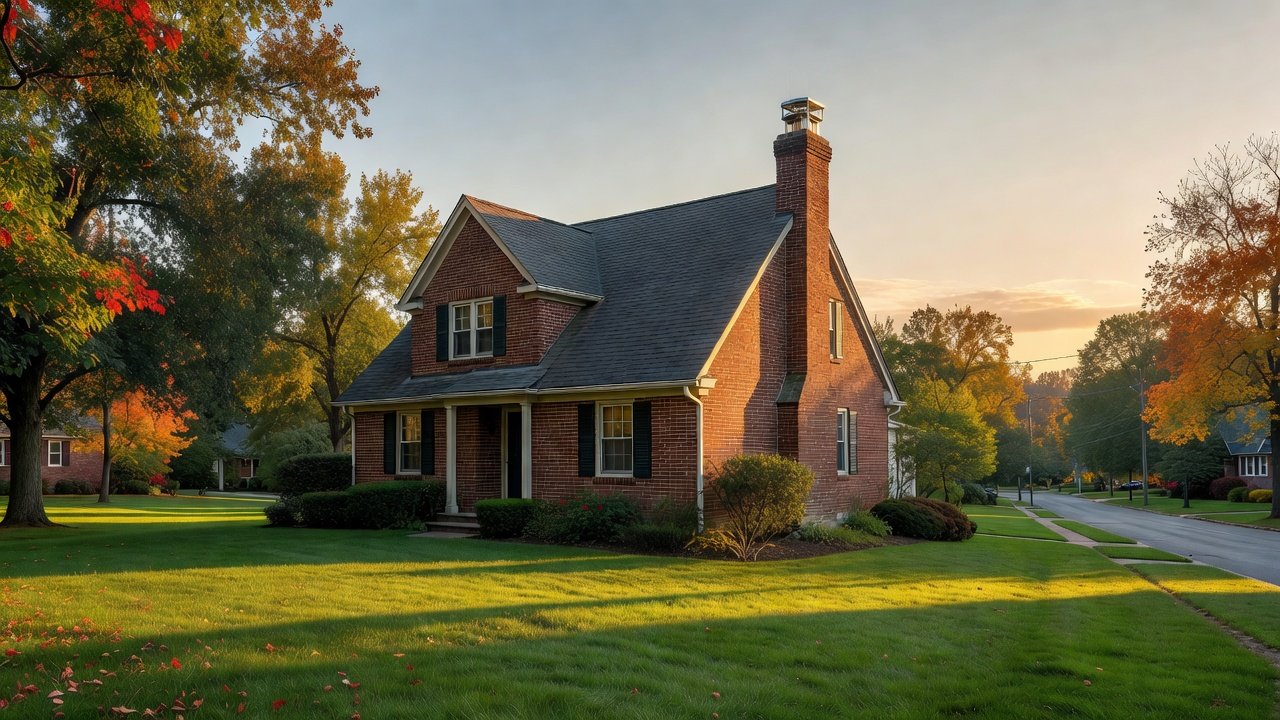
The Right Time to Install a Chimney Cap in Chatham and Berkeley Heights and What It Actually Costs
A chimney cap isn’t the most noticeable part of your chimney, but it plays one of the biggest roles in protecting your home. It keeps rain out, prevents birds and small animals from entering the flue, reduces downdrafts, and helps extend the life of your chimney system.
Unfortunately, many homeowners in Chatham, Berkeley Heights, and surrounding Morris County neighborhoods don’t think about their chimney cap until they notice water stains, damp odors, or debris inside the fireplace. By then, what could have been a relatively inexpensive installation often turns into a much larger repair.
If you’re wondering when to install a chimney cap, how much it costs, and what factors affect pricing, here’s what every homeowner should know.
Why Every Chimney Should Have a Cap
An uncapped chimney is essentially an open passage into your home.
Without a properly fitted chimney cap, your chimney becomes vulnerable to:
- Rain and melting snow
- Leaves and tree debris
- Birds and squirrels
- Downdrafts
- Moisture damage
- Premature flue deterioration
According to NFPA 211, chimney systems should be maintained in a condition that protects against water intrusion and structural deterioration. The Chimney Safety Institute of America (CSIA) also identifies missing or damaged chimney caps as one of the leading causes of moisture-related chimney damage.
For homes throughout Morris County, where winters bring repeated freeze-thaw cycles, preventing water from entering the chimney is one of the most effective ways to reduce future repair costs.
The Best Time to Install a Chimney Cap
Timing matters more than many homeowners realize. Different seasons offer different advantages.
Fall: The Ideal Time
For most homeowners in Chatham and Berkeley Heights, early fall is the best time to install a chimney cap.
Installing a cap before fireplace season means your chimney is protected before heavy use begins.
Other advantages include:
- Comfortable working temperatures
- Lower risk of weather delays
- Easier scheduling before winter demand increases
- Opportunity to combine installation with an annual chimney inspection and cleaning
Many homeowners’ schedule chimney maintenance in September or early October to prepare their fireplaces before colder weather arrives.
Winter: Still Possible, But More Expensive
Chimney cap installation can still be completed during winter.
However, cold temperatures often create scheduling challenges. Some sealants and masonry products require temperatures above approximately 40°F to cure properly.
Emergency winter installations may also involve:
- Higher labor costs
- Limited appointment availability
- Weather delays
- Additional repair work caused by water that entered before the cap was replaced
Waiting until January often means paying for more than just the chimney cap itself.
Spring: A Great Time to Catch Winter Damage
Spring is another excellent season for chimney cap installation.
After a full winter of snow, ice, and freezing temperatures, it’s easier to identify problems before another heating season begins.
Spring inspections often uncover:
- Loose chimney caps
- Cracked crowns
- Water damage
- Early masonry deterioration
Installing a chimney cap before nesting season also helps prevent birds and other animals from entering the flue.
Summer: Easy Scheduling
Summer is generally the slowest season for chimney service companies.
Benefits include:
- Shorter wait times
- Flexible scheduling
- Plenty of time before fireplace season
- Opportunity to complete additional chimney repairs if needed
While many homeowners aren’t thinking about fireplaces during the summer, it’s actually one of the easiest times to schedule preventive maintenance.
What Does Chimney Cap Installation Cost?
For most homes in Chatham and Berkeley Heights, chimney cap installation typically ranges between: $200–$600
Several factors influence where your project falls within that range.
What Affects the Price?
Material
The material used has one of the biggest impacts on cost.
Galvanized Steel
The most affordable option. Suitable for many homes but generally has a shorter lifespan.
Stainless Steel
More expensive initially but offers significantly better resistance to rust and corrosion. Many professionals recommend stainless steel for long-term durability.
Copper
Premium appearance with exceptional longevity. Usually the highest-priced option.
Single-Flue vs. Multi-Flue Chimneys
A chimney with one flue requires a standard cap.
Homes with multiple flues often require:
- Larger custom caps
- Multiple individual caps
- Additional fabrication
These configurations naturally increase material and labor costs.
Roof Accessibility
A steep roof or tall chimney requires additional safety equipment and setup time. Difficult access often increases labor costs more than materials.
Chimney Condition
Sometimes the chimney cap isn’t the only issue.
If inspection reveals:
- Cracked chimney crown
- Damaged mortar
- Loose brick
- Water deterioration
Those repairs should typically be completed before installing a new cap. Ignoring underlying damage limits the effectiveness of the new installation.
Small Problems Become Expensive Repairs
One of the biggest reasons chimney repair costs rises is delayed maintenance.
For example: A missing chimney cap may initially require only a few hundred dollars to replace.
After several seasons of rain and snow, however, homeowners may also need:
- Crown repair
- Tuckpointing
- Flashing repair
- Flue liner work
- Interior water damage restoration
Water almost always costs more to repair than it does to prevent.
Can Homeowners Install a Chimney Cap?
Some homeowners choose to replace basic chimney caps themselves.
While installing a cap may seem straightforward, there are several considerations:
- Correct sizing
- Proper attachment
- Chimney crown condition
- Safe roof access
- Compatibility with fireplace draft
If the cap doesn’t fit properly, it may allow water intrusion or restrict airflow. For taller homes or steep roofs, professional installation is generally the safer option.
How to Get the Most Value
If you’re already scheduling an annual chimney inspection, ask about installing the cap during the same visit.
Combining services often reduces labor costs because the technician is already on the roof.
It’s also an opportunity to inspect:
- The chimney crown
- Flashing
- Flue liner
- Masonry
- Firebox
Addressing small issues together usually costs less than scheduling multiple appointments throughout the year.
Frequently Asked Questions
How much does a chimney cap cost in Chatham, NJ?
Most homeowners spend between $200 and $600, depending on chimney size, material, accessibility, and whether additional repairs are needed.
Is stainless steel worth the extra cost?
For many homeowners, yes. Stainless steel resists rust significantly better than galvanized steel and generally lasts much longer.
How long does a chimney cap last?
A quality stainless steel chimney cap can last decades with routine inspections and maintenance.
Can I use my fireplace without a chimney cap?
Yes, but it’s not recommended. Without a cap, your chimney is exposed to rain, debris, animals, and moisture that can eventually damage the entire system.
When should chimney caps be inspected?
It’s a good idea to have the chimney cap checked during your annual chimney inspection before each heating season.
Protect Your Chimney Before Water Damage Starts
A chimney cap is one of the smallest components of your chimney system, but it provides some of the greatest protection. Installing one before water intrusion begins can help prevent expensive masonry repairs, liner damage, and moisture problems later.
Chatham Chimney proudly serves Chatham, Berkeley Heights, Madison, Summit, and surrounding Morris County communities, providing professional chimney cap installation, chimney inspections, chimney cleaning, crown repair, masonry restoration, and waterproofing services.
Contact us today to schedule your free chimney inspection and make sure your chimney is ready before the next heating season begins.
Areas we serve
Chatham, NJ · Chatham, NJ · Chatham, NJ · Chatham, NJ · All areas →