
Published November 3, 2026
What to Check Before You Hire Someone to Inspect Your Chimney in Morris County
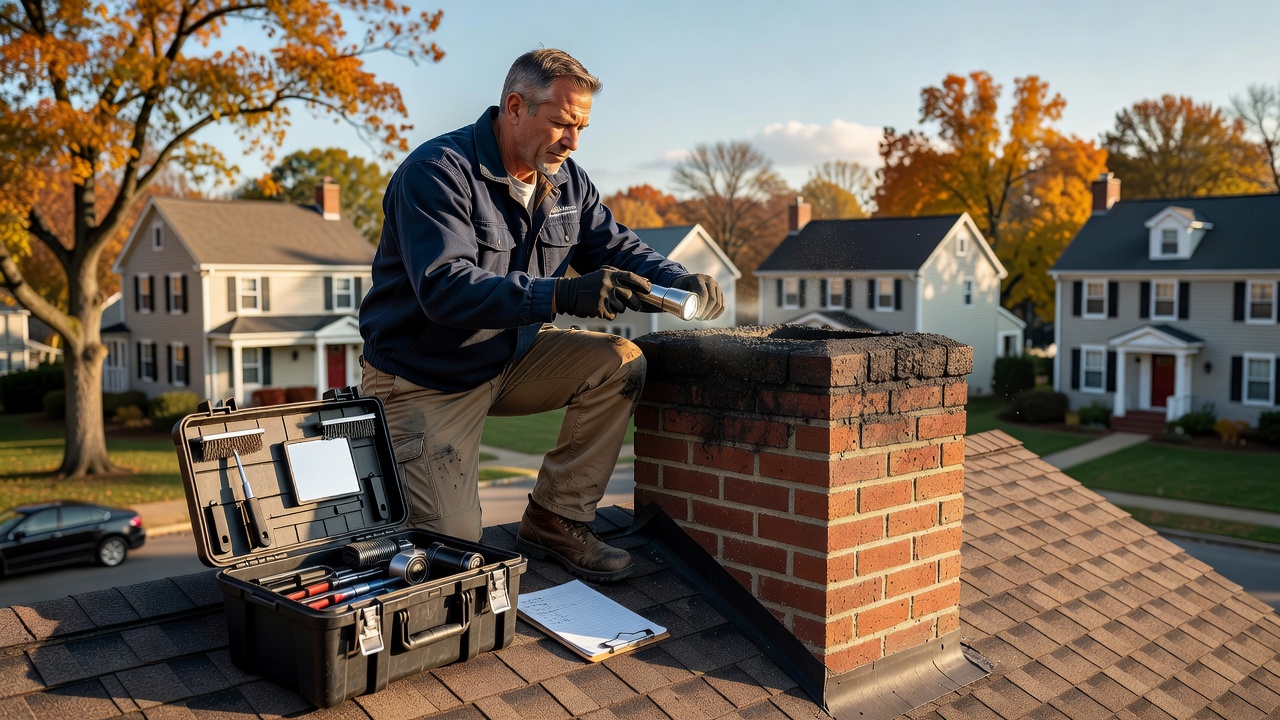
Many Morris County homeowners schedule a chimney inspection after a warning sign appears, a home purchase requires an evaluation, or they begin preparing for the heating season. Others arrange one because annual inspections are recommended but are unsure what the service should include. Whatever the reason, choosing a qualified chimney professional matters. A quick look inside the fireplace is not a substitute for an inspection that follows the appropriate standards and documents the chimney’s condition.
Before booking, understand the different inspection levels, know which problems a technician should look for, and ask what documentation you will receive. These steps can help you compare contractors and make a more informed decision.
What an Annual Chimney Inspection Actually Covers
NFPA 211, the standard for chimneys, fireplaces, vents, and solid-fuel-burning appliances, describes three levels of chimney inspection. These are not simply service packages. The appropriate level depends on the chimney’s condition, its history, and whether anything has changed.
Level 1 inspection
A Level 1 inspection is generally appropriate when the chimney and connected appliance are being used under the same conditions and no changes are expected. The technician examines accessible portions of the chimney exterior and interior, the appliance, and the chimney connection. The inspection is intended to determine whether the system appears suitable for continued use under its existing conditions.
Level 2 inspection
A Level 2 inspection is recommended when conditions change or there is reason to suspect damage. Examples include installing or replacing an appliance with a different type, changing the fuel used, preparing to sell a property, or following a chimney fire, severe weather event, or other incident that may have affected the system.
It includes the Level 1 inspection, along with examination of accessible areas such as attics, basements, and crawl spaces. A video scan or similar examination of the chimney interior is required under the CSIA Level 2 inspection procedure. If scanning cannot be completed, the reason should be documented.
Level 3 inspection
A Level 3 inspection may be necessary when a serious hazard or suspected hidden damage cannot be evaluated through Level 1 or Level 2 procedures. It can involve removing parts of the chimney or building structure to access concealed areas. Because it is more intrusive, it is not a routine annual inspection.
A contractor should be able to explain which level is appropriate and why. A Level 2 inspection can be reasonable for a home sale or a change in appliance, but it should not be presented as a universal requirement for every annual inspection.
Six Problems Commonly Diagnosed During Inspections
1. Creosote accumulation
Creosote forms when wood smoke cools and condenses along the inside of a chimney. Deposits can appear as loose soot, flaky material, or a hard, glazed coating. The more difficult deposits may require specialized treatment before they can be removed mechanically.
The Chimney Safety Institute of America recommends sweeping masonry fireplaces when soot buildup reaches approximately 1/8 inch, or sooner if any glaze is present. An inspector should assess the type and amount of buildup, then explain whether cleaning or additional treatment is needed.
How to reduce buildup: Burn properly seasoned firewood, maintain good airflow, and use the appliance according to its manufacturer’s instructions. Firewood with a moisture content below 20 percent is commonly recommended for cleaner burning.
2. Deteriorated mortar joints and chimney crown
The chimney crown is the masonry or concrete surface at the top of a masonry chimney. It helps shed water away from the flue and chimney structure. Cracks or deterioration can allow moisture to enter, contributing to damage over time.
During an inspection, a technician should look for visible crown cracks, deteriorated mortar joints, spalling brick, and efflorescence. Efflorescence appears as a white mineral deposit on masonry and can indicate moisture movement. It does not, by itself, establish the source of a leak.
Depending on the condition, repairs may involve rebuilding or sealing the crown with an appropriate product, repairing mortar joints, or addressing another source of water entry. A surface coating alone may not correct the underlying problem.
How to reduce damage: Keep the crown and chimney cap in good condition, address damaged flashing, and arrange repairs when cracks or water intrusion appear.
3. Flue liner damage
A flue liner protects the chimney structure and helps contain combustion products as they travel outdoors. Clay tile liners can crack or separate, while metal liners can deteriorate or develop connection problems.
Some damage may be visible from the firebox, but a camera inspection can provide a closer view of the flue’s interior. This is particularly relevant during a Level 2 inspection. A suspected chimney fire should be evaluated before the appliance is used again because even a small chimney fire can damage the system.
How to reduce risk: Have the chimney inspected regularly, use the connected appliance as directed, and arrange an appropriate evaluation after a chimney fire or a change in appliance or fuel type.
4. Improper clearances and connector problems
A stove or fireplace insert may connect to the chimney through a vent connector or other listed components. These parts must be installed according to the appliance manufacturer’s instructions and applicable codes.
An inspection may identify damaged connector sections, improper materials, loose connections, or inadequate clearance from combustible materials. These conditions can create a fire hazard and should be evaluated by a qualified professional.
How to reduce risk: Have new appliances installed according to their listing and manufacturer’s instructions. Ask whether permits or inspections are required for the proposed installation.
5. Damper problems
A damper controls airflow through a fireplace. If it is stuck, damaged, or unable to open fully, it can interfere with proper draft and contribute to smoke entering the room. A damper that does not close properly can also allow unwanted air exchange when the fireplace is not in use.
A technician should check whether the damper moves correctly and look for corrosion, warping, or other visible damage. Depending on the design and condition, repair or replacement may be appropriate.
How to reduce risk: Operate the damper as directed and have it checked if it becomes difficult to move, fails to close, or appears damaged.
6. Animal intrusion and debris
Uncapped or damaged chimneys can allow birds and other animals to enter. Nests, leaves, and other debris can obstruct the flue and interfere with ventilation.
A technician should look for nesting material, debris, and signs of animal activity. Some bird species and their active nests are protected under federal law, so homeowners should not remove a nest without first confirming whether it is legally permissible.
How to reduce risk: Ask a chimney professional whether a properly fitted cap is suitable for your chimney. The cap should be compatible with the system and maintained so it does not obstruct proper venting.
Credentials Worth Verifying Before You Book
The Chimney Safety Institute of America offers the Certified Chimney Sweep credential. Candidates must complete the required review and pass the certification exam. The credential also has renewal requirements, so homeowners should check that a technician’s certification is current.
You can use the CSIA directory to look up certified professionals and verify credentials. Ask for the technician’s name and certification details before the appointment.
The National Fireplace Institute offers separate credentials for professionals who work with gas, wood, and pellet hearth appliances. These qualifications may be relevant when your project involves an appliance installation or service. They should not be treated as a substitute for verifying chimney inspection experience.
Also ask whether the company carries general liability insurance and workers’ compensation coverage. If the contractor recommends repair or other residential home improvement work, check whether the business must be registered with the New Jersey Division of Consumer Affairs. The state’s online verification service can help you confirm a business’s registration.
Red Flags to Watch For
Be cautious if a contractor looks briefly into the firebox, performs no meaningful evaluation, and presents the visit as a complete inspection. Ask what areas were inspected and whether the service included cleaning, an inspection, or both. These are different services, even when a company offers them together.
Other warning signs include:
-
The contractor cannot explain why a particular inspection level is recommended.
-
The company refuses to provide written findings.
-
Major repairs are recommended without photos, video, or a clear explanation of the observed damage.
-
The estimate does not separate inspection, cleaning, and repair charges.
-
The company will not provide proof of insurance or applicable registration information.
A useful inspection report should identify the inspection level, describe the areas examined, document limitations, and explain any defects found. Photos or video can help support repair recommendations when relevant.
What Should a Chimney Inspection Cost in Morris County?
Inspection prices vary according to the inspection level, chimney configuration, location, and whether cleaning is included. A Level 2 inspection with video scanning and access to additional areas generally involves more work than a Level 1 inspection.
Before accepting a quote, ask whether it covers the inspection only or includes sweeping, video scanning, written documentation, and any additional services. Request a separate estimate for repairs so you can review the findings before authorizing work.
Do not rely on a low advertised price without checking what the service includes. Likewise, a higher quote should come with a clear explanation of the additional work or equipment involved.
Schedule a Chimney Inspection Before the Heating Season
Scheduling an inspection before regular fireplace use gives you time to review the findings and arrange repairs if needed. Homeowners in Chatham, Madison, Summit, and other Morris County communities can ask a chimney professional to explain the inspection level, provide written documentation, and identify any recommended work.
Chimney Chatham advertises inspection services through chimneyinchatham.com. Contact the company to confirm its current service area, whether the consultation is free, and what the appointment includes. A clear explanation of the inspection process is a good starting point for making a confident hiring decision.
Related from Chimney in Chatham NJ: Chimney Sweep in Chatham, NJ · Chimney Cleaning in Chatham, NJ
Our services
Chimney Services in Parsippany, NJ · Chimney Services in Hanover, NJ · Chimney Services in Mountain Lakes, NJ · Chimney Services in Randolph, NJ · Chimney Services in Summit, NJ · Chimney Services in Florham Park, NJ
Areas we serve
Chatham, NJ · Chatham, NJ · Chatham, NJ · Chatham, NJ · All areas →