
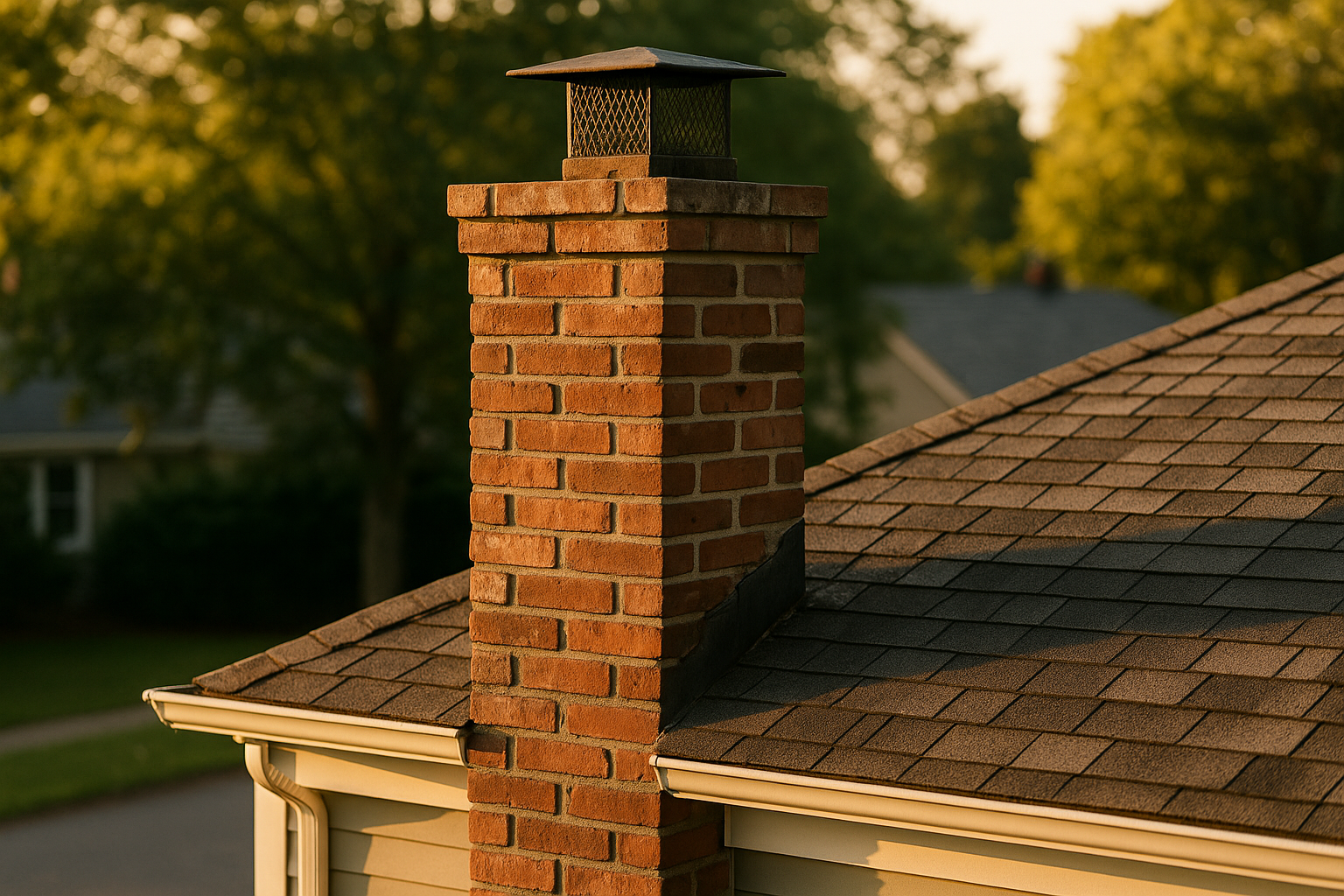
What Your Chatham Chimney Is Trying to Tell You and What Ignoring It Will Cost You
Most homeowners in Chatham and the surrounding Morris Township area do not think about their chimney until something goes wrong. By then, a routine $200 sweep can turn into a $2,000 repair or a much larger project. The good news is that chimneys often show warning signs before serious damage develops. Knowing what those signs mean can help homeowners address problems earlier and avoid unnecessary costs.
What a Chimney Sweep Costs in Chatham
A standard chimney cleaning and Level 1 inspection for a single-flue fireplace in Chatham, Madison, or Summit typically costs between $175 and $275. This generally includes cleaning, a visual inspection of accessible components, and documentation of the technician’s findings.
More extensive inspections cost more. A Level 2 inspection with video scanning of the flue can range from $300 to $450. Additional costs may apply when there is heavy creosote buildup, damaged masonry, or liner deterioration.
Heavy Stage 2 or Stage 3 creosote can add approximately $100 to $300 because removing hardened deposits requires additional equipment and labor. Liner repairs or replacement are significantly more expensive. A stainless steel liner installation in a Morris County home can range from approximately $2,500 to $5,000, depending on the chimney’s length and configuration.
The biggest factor homeowners can control is timing. Putting off routine maintenance can allow relatively minor problems to develop into masonry, flashing, firebox, or liner repairs.
Warning Signs Your Chimney Needs Attention
White Staining on the Exterior Masonry
White, chalky staining on chimney brick is known as efflorescence. It occurs when moisture moves through masonry and carries mineral salts toward the surface.
Efflorescence does not automatically mean that major structural damage has occurred. It does indicate that moisture is moving through the chimney. If the staining keeps returning or appears alongside cracking, spalling, or interior water damage, have the chimney professionally evaluated.
Black Staining Around the Firebox
Black staining around the fireplace opening or on the wall above it can indicate a drafting problem. Smoke and soot should travel through the chimney rather than entering the living space.
If black staining is accompanied by smoke entering the room, stop using the fireplace until a professional determines the cause.
A Strong Creosote Smell
A strong oily or asphalt-like odor coming from the fireplace can indicate significant creosote accumulation. The smell may become more noticeable during warm or humid weather when air movement through the chimney changes.
Creosote buildup should not be ignored. If the odor is persistent or accompanied by visible dark deposits, schedule a professional inspection and cleaning before using the fireplace again.
Debris Falling Into the Firebox
Pieces of clay tile, dark flakes, or other debris falling into the firebox can indicate deterioration inside the chimney. Older masonry chimneys may contain clay tile liners that have developed cracks or deteriorated joints over years of thermal cycling.
A damaged liner is more than a cosmetic concern. It can affect the safe movement of combustion gases and increase the risk of heat reaching areas that should remain protected.
Smoke Entering the Room
A properly functioning chimney should carry smoke away from the living space. Persistent smoke rollout can have several causes, including an obstruction, damper problem, restricted flue, or draft issue.
Do not continue using the fireplace in an attempt to correct the problem by building a hotter fire. Have the chimney evaluated first.
A Damper That Will Not Open or Close Properly
A damper that does not open fully can restrict airflow and contribute to poor drafting. A damper that will not close can allow heated indoor air to escape through the chimney.
A stiff damper without other warning signs may not require emergency service, but it should still be evaluated during the next chimney inspection.
Cracked Mortar or Brick
Take a look at the chimney from the ground. Cracked mortar joints, deteriorating brick, or missing sections can allow water to penetrate the masonry.
Morris County winters can be particularly hard on exterior masonry. Water enters small cracks, freezes, expands, and gradually widens the damage.
Addressing deteriorated mortar early can be considerably less expensive than waiting until larger sections of the chimney require reconstruction.
Rust on the Damper or Firebox Components
Rust is another indication that moisture may be entering the chimney system. A damaged chimney cap, deteriorated flashing, or other opening can allow water to reach components inside the fireplace.
A small amount of surface rust does not necessarily indicate major damage. Significant corrosion, however, deserves professional attention before it spreads to other parts of the system.
When Should You Call a Professional?
Some chimney warning signs deserve prompt attention.
Call a professional before using the fireplace if you notice:
- Smoke repeatedly entering the room
- Black staining around the firebox
- Strong oily creosote odors
- Pieces of liner material falling into the firebox
- Visible liner damage
- Significant structural cracking
- Multiple warning signs occurring at the same time
Other issues can usually be addressed through a scheduled inspection.
Schedule an inspection soon if you notice:
- Efflorescence
- Early-stage rust
- A stiff damper
- Minor exterior mortar cracks
- Recurring moisture staining
The important point is not to wait until a visible problem becomes an emergency.
Why Early Chimney Repairs Can Save Money
A chimney problem rarely improves by itself. Water that enters through a damaged crown or flashing can gradually affect masonry. Creosote can continue accumulating with every fire. Small mortar cracks can expand through repeated freeze-thaw cycles.
Early detection gives homeowners more options. A relatively small repair may be possible before the damage spreads to the liner, firebox, or surrounding structure.
Regular inspections also provide a useful baseline. If a technician documents the condition of the chimney each year, changes are easier to identify before they become serious.
Serving Chatham and Morris Township Homeowners
Chatham, Madison, Summit, Florham Park, and surrounding Morris County communities have many older homes with masonry chimneys. Regular maintenance is particularly important when a chimney has been in service for decades.
Chimney in Chatham provides chimney inspections and related services for homeowners throughout the area. If you have noticed unusual odors, exterior staining, damaged masonry, smoke problems, or debris in the firebox, an inspection can help determine what is actually happening.
Do not wait for a small chimney warning to become an expensive repair. Schedule an inspection and get a clear assessment of your chimney before the next heating season.
Related from Chimney in Chatham NJ: Chimney Sweep in Chatham NJ
Our services
Chimney Rebuilding · Chimney Repair · Chimney Inspection · Chimney Cleaning · Chimney Sweep Madison · Chimney Sweep in Chatham, NJ
Areas we serve
Chatham, NJ · Chatham, NJ · Chatham, NJ · Chatham, NJ · All areas →