
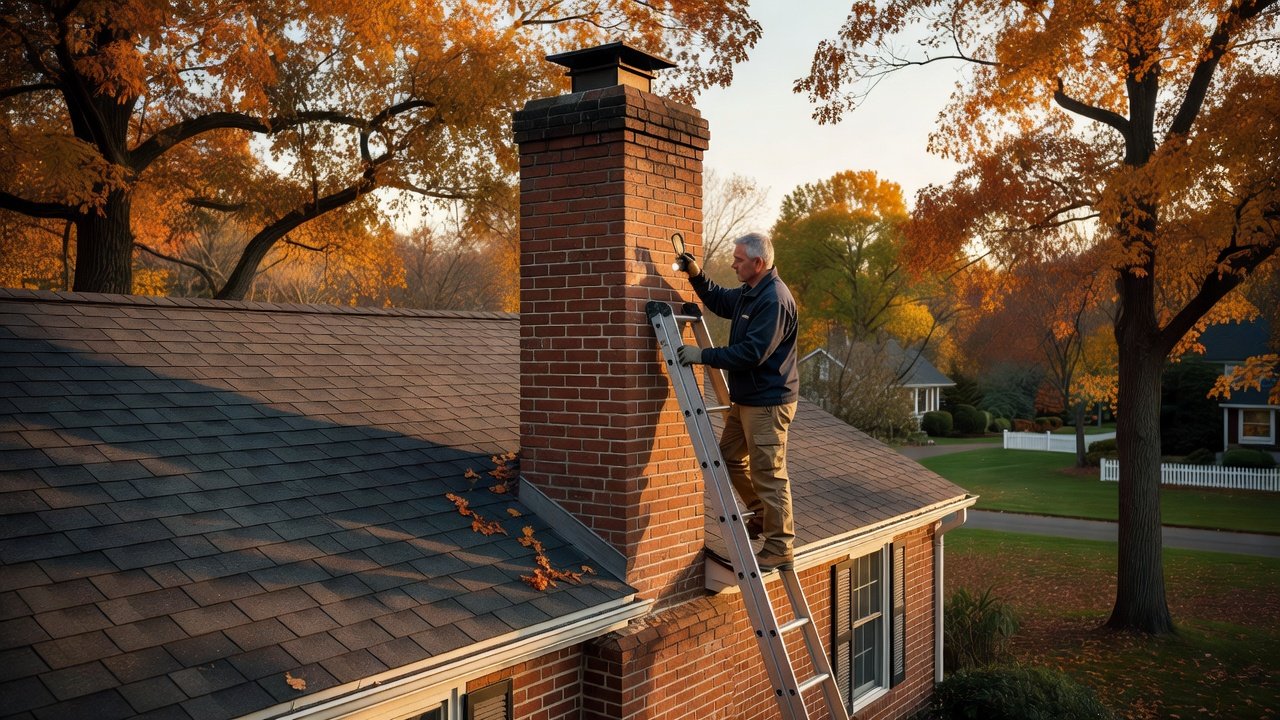
What Your Chimney Is Telling You and Why Chatham Homeowners Shouldn’t Wait
Most chimney problems develop quietly. There is no alarm, obvious crack, or dramatic warning sign. Instead, issues build slowly over time as creosote accumulates inside the flue, chimney liners begin to crack, or dampers stop sealing properly. Many homeowners in Chatham, New Jersey use their fireplace for several winters before realizing there is a hidden problem.
Unfortunately, waiting until you notice smoke, strange odors, or poor fireplace performance can put your home at risk of chimney fires or carbon monoxide exposure. That’s why routine chimney cleaning and annual inspections are so important. According to NFPA 211, regular chimney inspections and cleanings help identify hazards before they become costly or dangerous. Below are six of the most common chimney issues we discover in Chatham and throughout Morris County, what causes them, and how professional chimney services can restore your fireplace’s safety and efficiency.
1. Heavy Creosote Buildup
Warning Signs
You may notice:
- A strong smoky or burnt odor even when the fireplace is not in use.
- Poor draft despite an open damper.
- Dark, sticky, or shiny residue inside the firebox.
What Causes It?
Creosote forms whenever wood smoke cools before leaving the chimney. During New Jersey’s mild fall and spring months, smaller fires often burn at lower temperatures, allowing creosote to accumulate more quickly.
Stage 3 creosote is especially dangerous because it becomes hard, glossy, and highly flammable. It can ignite at temperatures around 1,000°F, creating chimney fires capable of damaging the entire chimney system.
Professional Solution
A CSIA-certified chimney sweep uses specialized rotary brushes designed for your chimney’s shape along with commercial-grade HEPA vacuum equipment to safely remove creosote. Heavy glazed deposits may require chemical treatment before they can be fully removed.
Prevention Tips
You can reduce creosote buildup by:
- Scheduling annual chimney cleanings.
- Burning only seasoned hardwood with less than 20% moisture content.
- Avoiding slow, smoldering fires whenever possible.
2. Hidden Cracks in the Chimney Liner
Warning Signs
You may notice:
- White staining (efflorescence) on the chimney exterior.
- Smoke odors inside upstairs rooms.
- Pieces of mortar or clay tile inside the fireplace.
What Causes It?
Many older homes throughout Chatham were built with clay tile chimney liners. Years of heating and cooling cycles eventually weaken these liners, while moisture and freeze-thaw weather accelerate deterioration.
Even small cracks can allow dangerous combustion gases, including carbon monoxide, to escape into your home’s walls.
Professional Solution
A Level 2 chimney inspection includes a high-definition camera inspection that identifies cracks throughout the chimney liner. Depending on the damage, repairs may include replacing damaged sections, installing a stainless-steel liner, or rebuilding the liner system.
Prevention Tips
Annual chimney inspections catch minor damage before it develops into major structural repairs.
3. A Damper That No Longer Seals Properly
Warning Signs
Homeowners often notice:
- Cold drafts entering through the fireplace.
- Higher heating bills.
- Birds, insects, or debris inside the chimney.
What Causes It?
Older cast-iron dampers naturally rust, corrode, and warp over time. Once they no longer close tightly, outdoor air continuously enters the home while conditioned indoor air escapes.
Professional Solution
Depending on the condition of your chimney, technicians may repair or replace the throat damper. In many cases, a top-mounted damper provides a better long-term solution by improving energy efficiency while also preventing rain, animals, and debris from entering the chimney.
4. Damaged Masonry and a Failing Chimney Crown
Warning Signs
Look for:
- Loose bricks around the chimney.
- White debris on your roof or in gutters.
- Water stains running down the chimney.
- Crumbling mortar joints.
What Causes It?
The chimney crown protects the entire chimney system from water intrusion. Once cracks develop, rainwater enters the masonry and expands during freezing temperatures, causing bricks to crack, mortar to deteriorate, and structural damage to worsen over time.
Professional Solution
Minor crown cracks can often be repaired using flexible crown sealants. More severe damage may require rebuilding the chimney crown, repairing deteriorated mortar through tuckpointing, or replacing damaged masonry.
Prevention Tips
Professional waterproofing every five to seven years, combined with annual inspections, helps protect your chimney from moisture damage.
5. Carbon Monoxide Risks from Blocked or Poorly Drafting Chimneys
Warning Signs
Pay attention to:
- Smoke entering the room.
- Headaches or irritation while using the fireplace.
- Carbon monoxide detector alerts.
- Difficulty keeping fires burning properly.
What Causes It?
Poor chimney draft can result from:
- Animal nests.
- Debris blocking the flue.
- Trees growing above the chimney.
- Negative air pressure inside tightly sealed homes.
- Incorrect chimney sizing.
Professional Solution
A complete chimney inspection identifies the exact cause of the drafting problem. Solutions may include removing blockages, installing a draft-improving chimney cap, extending the chimney height, or improving the home’s air supply.
6. Fireplace Inserts Without Proper Chimney Liners
Warning Signs
This issue is common if:
- A previous homeowner installed the fireplace insert.
- No installation paperwork exists.
- You are unsure whether permits were obtained.
What Causes It?
Wood-burning and gas inserts require a properly sized liner connected directly to the appliance. Older installations sometimes used the original oversized masonry flue instead, creating poor draft, excessive creosote buildup, and increased carbon monoxide risks.
Professional Solution
A Level 2 inspection verifies whether the insert was installed correctly. If the liner is missing or improperly sized, installing a new liner is essential for both safety and code compliance.
Why Annual Chimney Inspections Matter
Even if your fireplace appears to function normally, hidden chimney issues can develop without obvious symptoms. Annual inspections allow professionals to detect problems before they become expensive repairs or serious safety hazards.
Routine chimney maintenance helps:
- Reduce the risk of chimney fires.
- Prevent carbon monoxide leaks.
- Improve fireplace efficiency.
- Extend the life of your chimney.
- Protect your home’s structural integrity.
- Identify moisture damage before it spreads.
Regular maintenance also gives homeowners peace of mind knowing their fireplace is ready for the heating season.
Frequently Asked Questions
1. How often should I schedule chimney cleaning in Chatham?
Most homeowners should have their chimney professionally inspected and cleaned at least once a year, especially if they regularly burn wood during the heating season.
2. What are the signs that my chimney needs immediate attention?
Common warning signs include smoky odors, poor draft, visible creosote buildup, crumbling bricks, water leaks, unusual fireplace smoke, or carbon monoxide detector alerts.
3. Is a chimney inspection necessary if I rarely use my fireplace?
Yes. Even infrequently used chimneys can develop moisture damage, animal blockages, deteriorating masonry, and structural problems that require professional inspection.
4. What’s the difference between a Level 1 and Level 2 chimney inspection?
A Level 1 inspection evaluates the readily accessible parts of the chimney and is recommended for routine annual maintenance. A Level 2 inspection includes a specialized camera inspection and is recommended after a chimney fire, property sale, major system changes, or when damage is suspected.
5. Why should I hire a CSIA-certified chimney sweep?
CSIA-certified chimney professionals receive specialized training in chimney inspection, cleaning, maintenance, and safety standards. Hiring a certified technician helps ensure your chimney is serviced according to industry best practices and current safety guidelines.
Schedule Your Free Chimney Inspection in Chatham
Don’t wait until smoke, odors, or a chimney fire forces you to take action. Preventive maintenance is always more affordable than emergency repairs and helps keep your family safe throughout the winter.
Chimney in Chatham proudly serves homeowners throughout Chatham, Madison, Summit, and surrounding Morris County communities. Our CSIA-certified chimney professionals provide thorough inspections, expert chimney cleaning, honest recommendations, and dependable service you can trust. Contact us today to schedule your free chimney inspection and ensure your fireplace is safe before the next burning season begins.
Our services
Chimney Sweep in Chatham · Fireplace Cleaning in Chatham, NJ · Professional Chimney Services in East Hanover, NJ · Trusted Chimney Services in Livingston, NJ · Professional Chimney Services in Whippany, NJ · Chimney Services in Harding Township, NJ
Areas we serve
Chatham, NJ · Chatham, NJ · Chatham, NJ · Chatham, NJ · All areas →